
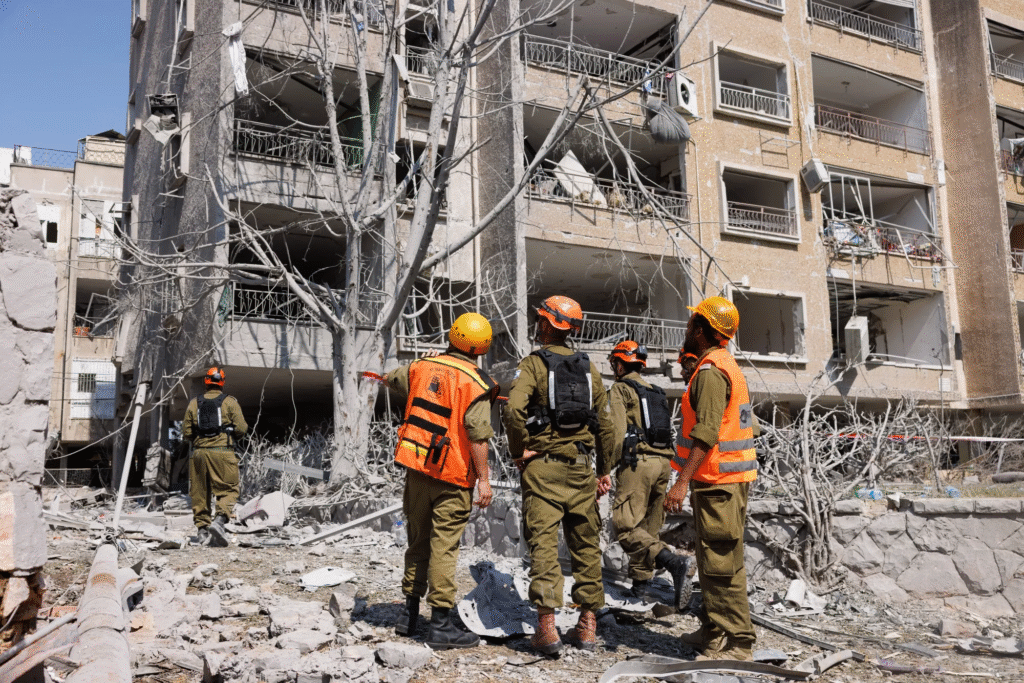
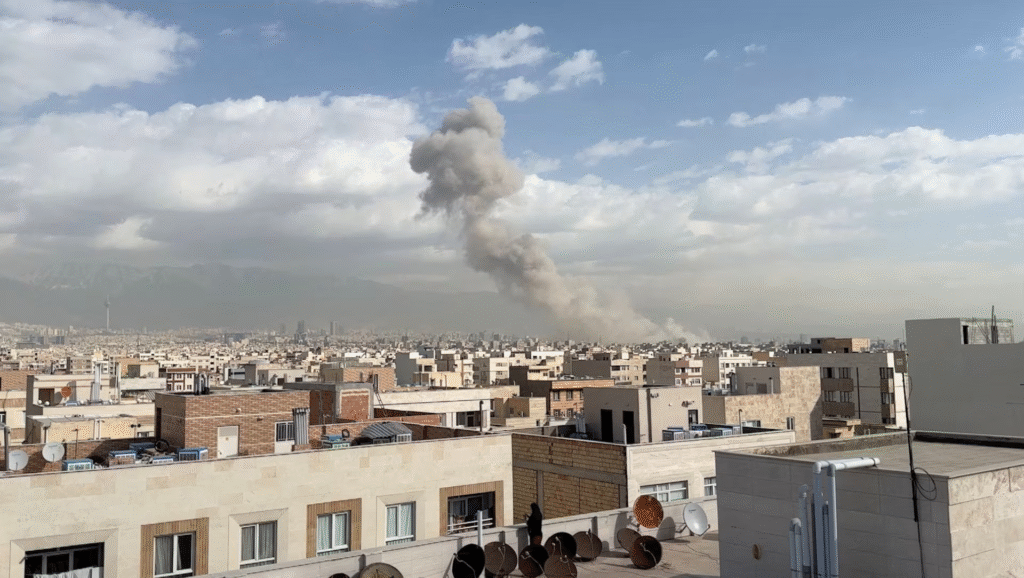
Today’s developments mark one of the most dramatic escalations in the long-running standoff between Tehran and its rivals. In the early hours of February 28, 2026, Israel launched coordinated military strikes on multiple targets inside Iran, including in the capital Tehran and other major cities, triggering loud explosions and sirens across the region. The United States joined the operation, with American forces conducting air and sea strikes in support of Israel’s offensive.
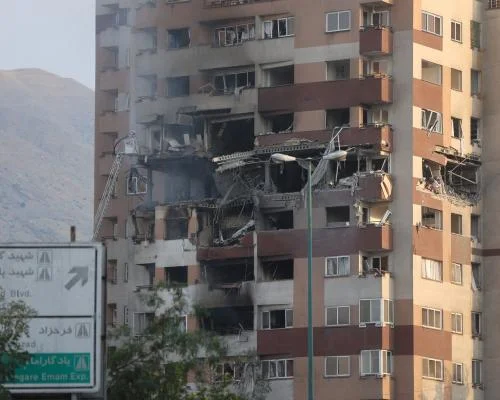
What happened:
• Israel’s Defence Ministry described the action as a pre-emptive strike meant to neutralize perceived threats, particularly from Iran’s nuclear and missile programs. Explosions were reported in Tehran early Saturday morning and emergency sirens were sounded in Israeli cities in anticipation of potential Iranian retaliation.
• The United States confirmed its participation, with President Donald Trump announcing that the U.S. has begun “major combat operations” against Iranian targets, framing the action as a defensive move against what Washington calls imminent threats to American security and its allies.
• Iran responded by closing its airspace and warning that any attack on its territory will be met with force. Iranian leadership has reportedly been moved to secure locations for safety.
Why it matters:
This military escalation comes after weeks of stalled diplomacy. Washington and Tehran had been engaged in talks aimed at curbing Iran’s nuclear activities, but disagreements — particularly over ballistic missiles and enforcement — prevented a lasting deal.
Analysts say this marks the largest direct U.S. involvement in military action against Iran to date. Although Iran has repeatedly stated it does not seek nuclear weapons, it has refused Western demands to fully limit its enrichment and missile programs, a key point of contention behind today’s attacks.
Regional reaction & risks:
• Iraq and Iran both closed their airspace following the strikes.
• Iran has vowed a “crushing response” to what it calls aggression.
Experts are warning that this conflict could easily spread beyond direct strikes between the three nations, drawing in regional proxies and allies, and destabilizing broader Middle East geopolitics. The risk of missile exchanges, drone attacks, or asymmetrical warfare remains high as both sides prepare for possible retaliation.