
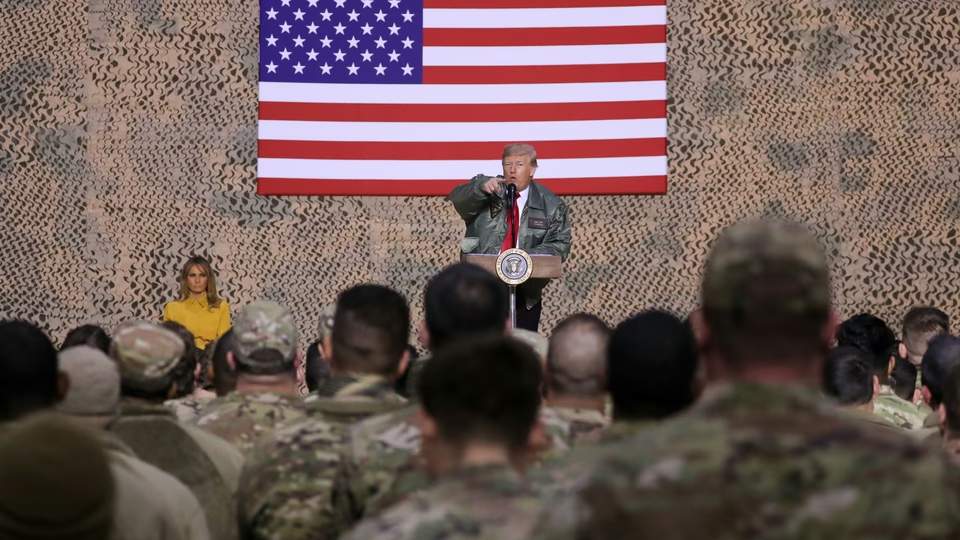
Financial markets across the world reacted sharply today after reports confirmed military action involving the United States and Israel against Iran. Investors woke up to rising uncertainty, and the impact was immediately visible across oil prices, stock markets, gold, and currency trading.
📈 Oil Prices Surge
Crude oil prices jumped significantly in early trading hours amid fears of supply disruption in the Middle East — a region responsible for a large share of global energy exports. Traders are concerned that any prolonged conflict could affect key shipping routes and production facilities, pushing fuel prices higher worldwide.
Energy stocks gained momentum as investors anticipated stronger profits from higher oil prices. However, airlines and transportation companies saw early declines due to concerns over rising fuel costs.

📉 Stock Markets Under Pressure
Major global stock indices experienced volatility. Asian markets closed lower, European markets opened cautiously, and US futures signaled a weak start. Investors shifted away from high-risk assets and moved toward safer options.
Sectors like technology, travel, and manufacturing showed weakness, while defense and energy stocks saw increased buying activity.
🏆 Gold and Safe-Haven Assets Rise
Gold prices climbed as investors looked for stability during geopolitical uncertainty. The US dollar strengthened slightly, benefiting from its traditional role as a safe-haven currency during global crises.
Cryptocurrency markets also showed sharp fluctuations, reflecting investor nervousness and speculative trading behavior.
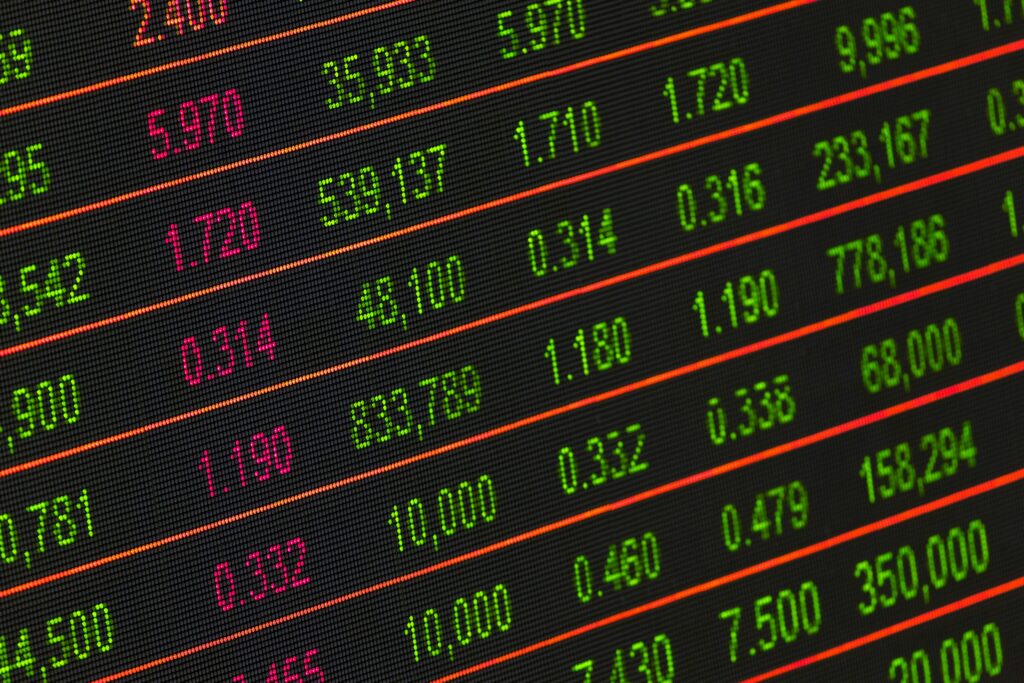
💱 Currency and Emerging Markets Impact
Emerging market currencies came under pressure as foreign investors pulled funds from riskier regions. Countries heavily dependent on oil imports could face higher inflation if crude prices remain elevated.
Central banks around the world are now closely monitoring the situation. If tensions continue, policymakers may need to adjust interest rate plans to manage inflation and economic growth risks.
🌐 What Happens Next?
Market analysts say the key factor will be whether the situation escalates further or stabilizes through diplomatic intervention. A prolonged conflict could:
- Push oil prices even higher
- Slow global economic growth
- Increase inflation pressures
- Trigger deeper stock market corrections
For now, global markets remain highly sensitive to every new development coming out of the Middle East.